Chocolate Mousse Recipes: Classic, Vegan, Sugar‑Free & More

Updated: Sep 22
Chocolate mousse is one of those desserts that looks elegant and complicated, yet is surprisingly accessible once you understand the basics. At its core, a good chocolate mousse is about texture: light, airy, and smooth, with a deep chocolate flavor that isn’t overly sweet. From the classic French version to modern vegan and low‑carb adaptations, there’s a chocolate mousse for nearly every preference.
This page brings together all of our chocolate mousse recipes in one place. Whether you are looking for a timeless classic, an egg‑free alternative, or a fully plant‑based option, each recipe below builds on the same fundamental idea: incorporating air gently into chocolate for a silky result.
What Makes a Good Chocolate Mousse?
Despite the variations, most chocolate mousse recipes rely on three principles:
Quality chocolate for flavor and structure
Air incorporation through whipped cream, egg whites, or alternatives
Gentle folding to preserve lightness
Traditional recipes use eggs and cream, while modern adaptations replace these elements without losing texture. Understanding this structure makes it easy to choose the right version for your needs.

Why Are There So Many Different Chocolate Mousse Recipes?
Chocolate mousse may seem like a simple dessert, but small changes in ingredients can dramatically affect the final texture, flavor, and stability. Traditional recipes rely on eggs and whipped cream to create structure, while modern variations use ingredients such as cream cheese, aquafaba, or sugar substitutes. The ideal recipe depends on your goals. Some people prioritize the classic French texture, while others prefer a mousse without raw eggs, a lower-carbohydrate version, or a completely vegetarian alternative. Understanding these differences makes it much easier to choose the right chocolate mousse recipe for a specific occasion. Although every mousse begins with chocolate and air, the ingredient used to create that air ultimately determines how light, rich, stable, or creamy the dessert becomes.
Classic Chocolate Mousse (Base Recipe)
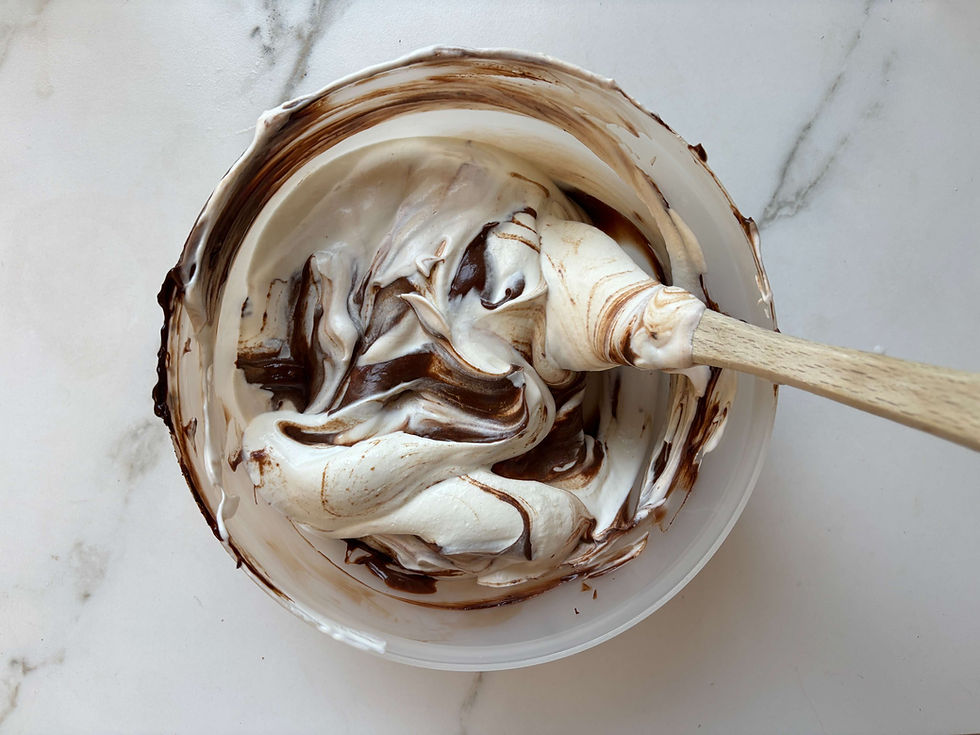
If you want to understand chocolate mousse in its purest form, start with the classic recipe. This version uses dark chocolate, eggs, and whipped cream to create a rich yet airy dessert that sets beautifully when chilled. Start with the classic base recipe for chocolate mousse, where the folding technique and texture are explained step by step in this Classic Chocolate. This recipe serves as the foundation for all other variations and explains the most important technique: folding air into chocolate without deflating it.
White Chocolate Mousse (Lighter & Creamier)
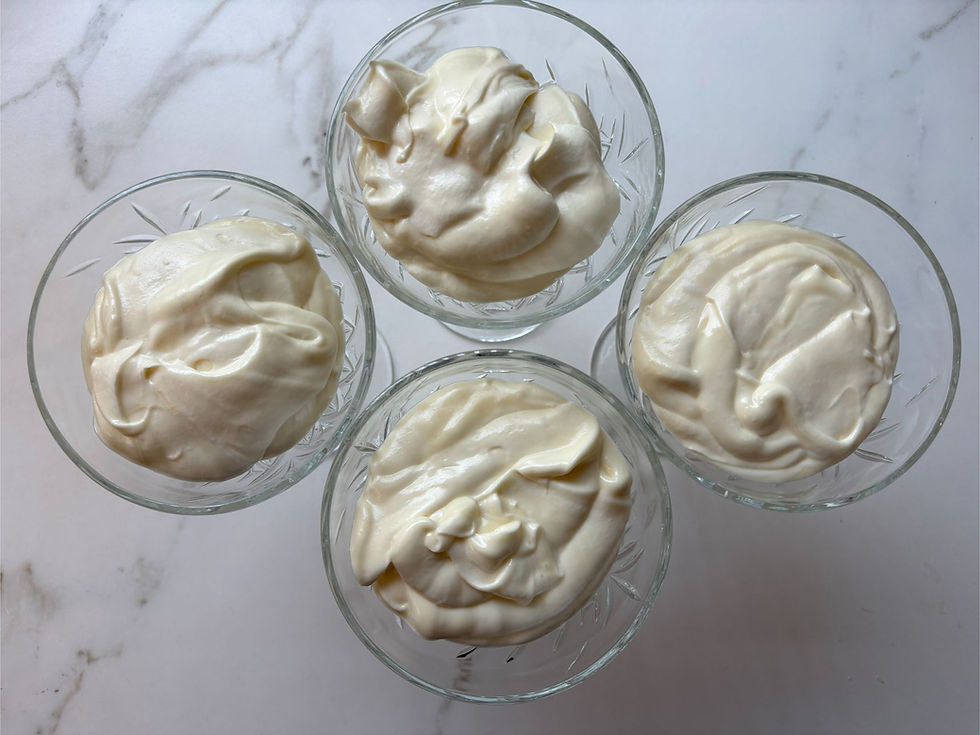
White chocolate mousse follows the same structure as the classic version, but with a softer and creamier flavor profile. Because white chocolate contains cocoa butter rather than cocoa solids, the result is smoother and less intense, making it a perfect option for those who prefer a milder dessert. For a lighter and creamier alternative, explore this White Chocolate Mousse with Perfect Texture, which follows the same technique but delivers a softer and more delicate flavor. This variation is ideal when you want an elegant mousse that pairs well with fruit or fresh berries. For a more refined flavour profile, we encourage you to try the Lemon Infused White Chocolate Mousse recipe.
Low-Sugar & Low-Carb Chocolate Mousse
For those cutting back on sugar or carbohydrates, chocolate mousse can still be an option. By using sugar substitutes and carefully chosen chocolate, you can maintain a satisfying texture without relying on traditional sweeteners. For a lower‑carbohydrate alternative that keeps the same mousse structure, explore this Low-Sugar and Low-Carb Chocolate Mousse Recipe, designed to deliver richness without added sugar. This version proves that chocolate mousse does not need refined sugar to feel indulgent.
Egg‑Free Chocolate Mousse with Cream Cheese
If you prefer to avoid raw eggs, a cream‑cheese‑based mousse offers a stable and creamy alternative. This version trades egg whites for dairy structure while still achieving a smooth and satisfying texture. For an egg‑free alternative with excellent balance, try this Vegetarian Chocolate Mousse with Cream Cheese, where the slight sourness of the cream cheese perfectly offsets the sweetness of the chocolate.This is a reliable option for serving guests who are sensitive to egg‑based desserts.
Vegetarian Chocolate Mousse with Chickpea Foam
One of the most surprising modern approaches to chocolate mousse uses chickpea cooking liquid (aquafaba) to create air. When whipped and folded correctly, it produces a mousse that is light, stable, and completely plant‑based. For a vegetarian‑based alternative that stays remarkably light and airy, discover this Vegetarian Chocolate Mousse with Chickpea Foam, made by whipping chickpea liquid into a stable, fluffy mousse. This recipe is ideal for vegan diets while still preserving the classic mousse mouthfeel.
How to Choose the Right Chocolate Mousse Recipe
For tradition and technique: Classic chocolate mousse
For mild sweetness: White chocolate mousse
For low sugar needs: Low-Sugar chocolate mousse
For avoiding raw egg: Cream cheese vegetarian chocolate mousse
For plant‑based diets: Chickpea foam vegetarian chocolate mousse
Each recipe is linked and explained individually, but they are all connected by the same underlying mousse technique.
Chocolate Mousse Comparison Guide
Each chocolate mousse variation serves a slightly different purpose.
Classic Chocolate Mousse: Best for traditional flavor and authentic French technique.
White Chocolate Mousse: Best for a lighter and sweeter dessert.
Low-Sugar Chocolate Mousse: Best for reducing carbohydrate and sugar intake.
Cream Cheese Chocolate Mousse: Best when avoiding raw eggs while maintaining a creamy texture.
Aquafaba Chocolate Mousse: Best for vegetarian and plant-based dessert options.
Because each version relies on a different ingredient for structure, the texture can range from airy and delicate to rich and silky.
Chocolate mousse doesn’t have to be intimidating. Once you understand how chocolate, air, and gentle folding work together, you can confidently make or adapt a recipe without sacrificing texture. Use this page as a reference point and explore the variations based on what you want to make, or intentionally leave out.
Frequently Asked Questions About Chocolate Mousse
These frequently asked questions compare the different chocolate mousse variations in this collection, covering texture, ingredients, preparation methods, dietary preferences, storage, and serving recommendations.
What is the difference between chocolate mousse variations?
The main difference lies in the ingredients used to create air and structure, such as eggs, cream, cream cheese, or chickpea foam, while the chocolate base remains similar.
Can I prepare chocolate mousse in advance?
Yes. Most chocolate mousse recipes benefit from chilling and can be prepared one to two days ahead without losing texture.
Which chocolate mousse is best for special diets?
Sugar‑free versions suit low‑carb diets, cream‑cheese mousse avoids raw egg, and chickpea‑foam mousse works for fully plant‑based diets.
Can chocolate mousse be frozen?
Many chocolate mousse recipes freeze surprisingly well. After thawing, the texture may become slightly denser, but the flavor remains largely unchanged.
How long does homemade chocolate mousse last?
Most chocolate mousse recipes can be stored in the refrigerator for one to two days, depending on the ingredients used.
What chocolate is best for chocolate mousse?
Dark chocolate is most commonly used because it provides structure and a deeper chocolate flavor. White chocolate and milk chocolate can also be used, although they create different textures.


Comments