Authentic Tiramisu with Cooked Eggs

Tiramisu is often described as a simple dessert. Coffee, biscuits, mascarpone, cocoa. No baking, no pastry tricks, nothing complicated. And yet, in professional kitchens, tiramisu is one of the desserts that exposes poor technique faster than almost any other.
I’ve seen tiramisu collapse within hours. I’ve seen layers slide, creams weep, textures turn grainy, and flavors flatten overnight. Almost always, the problem is structure — and structure in tiramisu begins with how the eggs are treated.
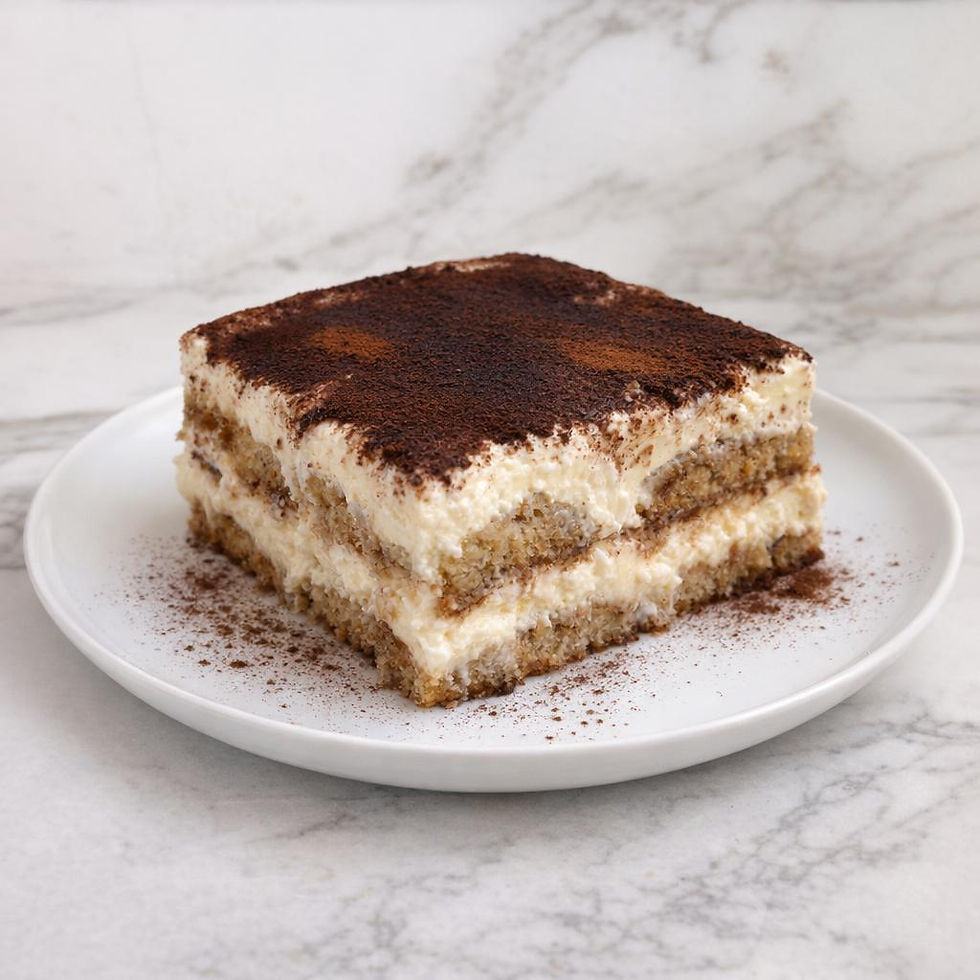
This article focuses on the authentic Italian tiramisu made with cooked eggs, using classic pastry techniques to create a dessert that is safe, stable, and refined, without sacrificing lightness or flavor. Authentic tiramisu is a layered Italian dessert made with mascarpone, eggs, Savoiardi biscuits, espresso, and cocoa, defined by balance and structure rather than sweetness.
The Three Common Ways to Make Tiramisu (Only Two Are Truly Authentic)
Before cooking, it’s important to understand that tiramisu is not one recipe, but a family of techniques.
1. Authentic Tiramisu with Raw Eggs
This is the traditional home‑style version still prepared in parts of Italy. Raw egg yolks are whipped with sugar and mascarpone, sometimes lightened with raw egg whites.
When done well, it is delicate and fragrant — but it is also unstable and time‑sensitive, and not ideal for service, storage, or food safety.
2. Authentic Tiramisu with Cooked Eggs (This Method)
This is the version used in professional kitchens.
The egg yolks are gently cooked into a pâte‑à‑bombe, and the egg whites are stabilized using Italian meringue (hot sugar syrup). The resulting cream is:
Smooth
Stable
Sliceable
Safe
Consistent over time
It is still light, but it behaves. This is the method you use when tiramisu must hold its shape and improve overnight.
3. Quick‑Fix Cream Tiramisu
This version replaces eggs with whipped cream, and replaces the Savoiardi with Ladyfingers and is mostly found in the Western world, especially outside Italy. It is fast, sweet, and forgiving — and structurally weak. It lacks depth, layered definition, and traditional character. Fine for casual settings, but not what I would call tiramisu in a classical sense. If this is your standard way to go, I would strongly encourage you to try to make the Authentic Tiramisu with Cooked Eggs and be amazed by its flavours and soft structure!
Biscuits: Where Most Tiramisu Fails
Tiramisu is not a cream dessert with biscuits added later. It is a structural composition, and the biscuit acts as the framework. If you use soft, sponge‑heavy biscuits, the dessert collapses. For lighter desserts, a classic soft ladyfingers recipe works well.For authentic tiramisu, Savoiardi are non‑negotiable. These dry Italian biscuits are engineered to absorb espresso slowly and evenly, maintaining their shape long after assembly. This article assumes you are using homemade authentic Savoiardi biscuits, or high‑quality store‑bought. Yes it adds an hour to the recipe to make them yourself, but it is definitely worth to see the expression in your family and friends face when they eat it first time!
Ingredients
With tiramisu, every ingredient has a structural role — balance, temperature, and technique matter more than abundance.
Mascarpone Cream
3 large egg yolks
60 g granulated sugar (⅓ cup)
250 g mascarpone cheese (1 cup or 8.8 oz)
Italian Meringue
3 large egg whites
60 g granulated sugar (⅓ cup)
30 ml water (2 tbsp)
Assembly
150 ml strong espresso, cooled (⅔ cup)
150 g Savoiardi biscuits (about 15 regular pieces or 6 XL Savoiardi)
Unsweetened cocoa powder, for dusting
With so few ingredients, quality and technique matter more than quantity.
Step‑by‑Step: Tiramisu with Cooked Eggs
Step 1: Cook the Egg Yolks (Pâte‑à‑Bombe)
First make 150 ml or ⅔ cup espresso and let it cool down to room temperature. Whisk the egg yolks with half of the sugar (30 g or 1/6 cup) over a bain‑marie until the mixture reaches 82°C / 180°F. This gently cooks the eggs while building volume and emulsification. Continue whisking until thick, pale, and glossy, then cool completely.
This step defines the richness of the dessert.
Step 2: Make the Italian Meringue
Combine the remaining granulated sugar (30 g or 1/6 cup) with the water (30 ml or 2 tbsp) and heat to 121°C / 250°F. Whip the egg whites until soft peaks form, then slowly drizzle in the hot syrup while whipping continuously. Continue until the bowl feels cool and the meringue is glossy and stable. This meringue provides structure without heaviness.
Step 3: Build the Cream
Fold the mascarpone (250 g / 8.8 oz) gently into the cooled yolk base until smooth.Then fold in the Italian meringue in two stages. Stop early. Over‑mixing destroys the cream.
Step 4: Assemble
Dip each Savoiardo one second per side into the espresso (150 ml or ⅔ cup). Layer biscuits and cream twice. Finish with cream, smooth the surface, and dust lightly with cocoa just before serving.
Step 5: Rest
Refrigerate at least 6 hours, ideally overnight. Tiramisu matures in the fridge. Texture and flavor deepen with time.
Kid‑Friendly and Alcohol‑Free Tiramisu
Replace espresso with decaffeinated coffee or cocoa‑based drink and omit all alcohol.The cooked‑egg method remains ideal for children.
See the kid‑friendly tiramisu variation for exact ratios.
Nutritional Information
These nutritional values highlight the balance of fat, protein, and carbohydrates in classic Italian tiramisu made with cooked eggs.
Nutrient | Whole Dish | Per Serving (1/6) |
Energy | ~2 030 kcal | ~338 kcal |
Fat | ~124 g | ~20.7 g |
Carbohydrates | ~180 g | ~30 g |
Protein | ~40 g | ~6.7 g |
Fiber | ~4 g | ~0.7 g |
Cholesterol | ~1 110 mg | ~185 mg |
Sodium | ~330 mg | ~55 mg |
Salt | ~0.82 g | ~0.14 g |
The Great Tiramisu Debate: Which Camp Are You In?
At some point, every serious tiramisu conversation reaches the same moment. Someone leans back, folds their arms, and says: “That’s not authentic.” And this is where things get interesting.
Some cooks argue that real tiramisu must contain no alcohol at all, just espresso and eggs. Others insist that Marsala defines the classic flavor. Then there’s the amaretto crowd — unapologetic, outspoken, and usually smiling.
Working in among tiramusi experts has taught me one thing: authenticity in tiramisu is less about strict rules and more about intention.
Are you aiming for:
structural elegance and restraint?
aromatic warmth and almond perfume?
or a family‑friendly, no‑alcohol classic?
Each approach has historical footing. Even the Tiramisù World Cup in Treviso recognizes both classic and creative categories — a quiet admission that tiramisu has always lived in more than one camp.
So the real question isn’t what is authentic. It’s this:
Which tiramisu camp are you in?
And more importantly — does your tiramisu hold its layers the next day?
FAQ – Authentic Tiramisu with Cooked Eggs (Chef Troubleshooting Guide)
Why did my mascarpone cream turn grainy or split?
Mascarpone splits when it’s overworked or when the temperature gap is too big. As a chef, I treat mascarpone like a “gentle ingredient”: keep it cool‑but‑pliable, fold rather than whip, and stop mixing the second it looks smooth. If your yolk base is still warm, let it cool fully before introducing mascarpone—warmth + overmixing is the classic split combo.
My tiramisu is runny. What went wrong?
Runny tiramisu usually comes from one of three things:
the savoiardi were soaked too long,
the cream was overmixed (deflating and loosening it), or
it wasn’t chilled long enough. This style of tiramisu needs at least 6 hours to set properly—overnight gives you the cleanest slice.
3) How long should I dip Savoiardi in espresso (and why so fast)?
Dip them 1–2 seconds per side—no more. Dry savoiardi absorb liquid aggressively; a “quick flash dip” gives you a structured layer that softens gradually in the fridge instead of collapsing into coffee pudding.
What’s the correct temperature for the sugar syrup in Italian meringue?
For Italian meringue, heat the sugar syrup to 121°C / 250°F, then stream it into whites whipped to soft peaks. That temperature gives you a stable, glossy foam that strengthens the tiramisu cream without making it heavy.
What’s the point of cooked eggs in tiramisu (pâte‑à‑bombe + Italian meringue)?
Cooked‑egg tiramisu is about control: the yolk base becomes richer and more stable, while the Italian meringue adds lift and structure. This is the method pastry chefs use when they want clean layers, consistent texture, and a dessert that improves overnight.
Which alcohol is “best”: Marsala, Amaretto, or none?
Chef answer: choose based on the profile you want.
Marsala (fortified wine) is warm, classic, and blends into espresso.
Amaretto is almond‑forward and more aromatic—noticeably changes the signature.
None is absolutely valid and often the cleanest expression of coffee + cocoa.
Whichever camp you’re in, keep it subtle: you’re seasoning tiramisu, not turning it into a cocktail.
Can I make this tiramisu ahead—and how long will it keep?
Yes—this is a make‑ahead dessert by design. It’s best after an overnight rest, and it holds beautifully for up to 2 days refrigerated (covered). Dust cocoa right before serving for the cleanest finish and the best aroma.


Comments