Vegan Arretjes cake (Dutch No‑Bake Chocolate Biscuit Cake)

Updated: May 20
Arretjes cake is a traditional Dutch no‑bake cake known for its dense, rich texture and simple preparation. It is made by combining a mixture of fat, sugar, cocoa, and crushed biscuits, which is then left to set in the refrigerator instead of being baked in an oven. In this vegan version, the traditional raw eggs are replaced with a mixture of water and custard powder, creating the same binding effect while making the recipe fully plant‑based and eliminating any concerns about consuming raw eggs.
Because of its no‑bake nature and firm, sliceable texture, arretjes cake fits naturally within a wider collection of simple desserts that rely on structure rather than baking. If you want to explore more options within plant‑based baking, see vegan pastry recipes and techniques.
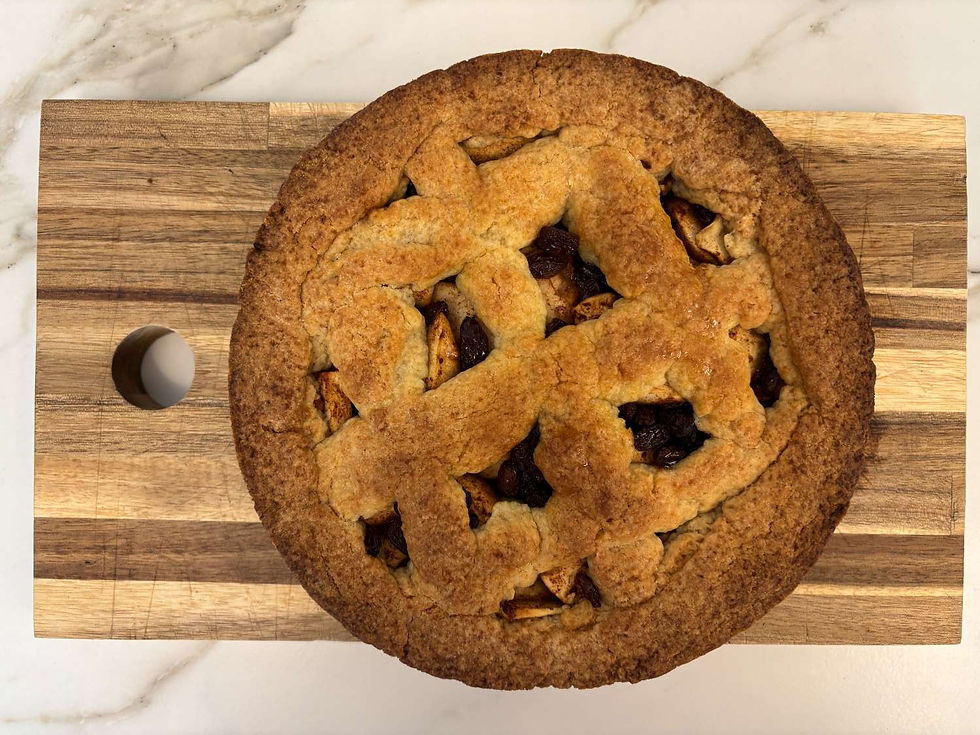
Within a broader dessert selection, arretjes cake offers a dense and chocolate‑forward contrast to lighter or more airy baked goods. For something softer and more breakfast‑oriented, try sweet vegan banana waffles, or explore a classic baked dessert with a structured filling like vegan apple pie.

How Arretjes cake Compares to Other No‑Bake Chocolate Desserts
Arretjes cake is a traditional Dutch no‑bake cake made by combining cocoa, sugar, fat, and crushed biscuits into a dense mixture that sets in the refrigerator instead of being baked. The result is a firm, sliceable dessert with a rich chocolate flavor and a distinctive mosaic structure created by the biscuit pieces.
Although it is strongly associated with Dutch home baking, arretjes cake is part of a broader family of no‑bake desserts found around the world. In Australia, a similar concept exists in the form of hedgehog slice, which also combines chocolate and biscuits but often includes additional ingredients such as nuts or coconut, resulting in a more textured and slightly less uniform structure.
In the United Kingdom and Ireland, chocolate biscuit cake closely mirrors arretjes cake in both preparation and appearance. Like arretjes cake, it relies on a chocolate mixture to bind biscuit pieces into a dense, sliceable cake, making it one of the most direct equivalents in terms of texture and method.
In the United States, refrigerator cakes or icebox cakes also use chilling instead of baking, but they are typically built in layers with cream or soft fillings. This creates a lighter and more cake‑like texture, rather than the compact, structured consistency that defines arretjes cake. Compared to these variations, arretjes cake stands out for its simplicity, its firm structure, and the clear contrast between smooth chocolate and crisp biscuit pieces.
Ingredients for Vegan Arretjes cake
These ingredients form a dense no‑bake mixture where chocolate, fat, and crushed biscuits combine to create a firm, sliceable cake with a rich flavor and distinct texture.
200 g (7 oz) Plant-based butter (Use the hard block kind, not the spreadable stuff).
200 g (1 cup) White Caster sugar (or light brown sugar).
50 g (½ cup) Unsweetened cocoa powder.
300 g (10.5 oz) Maria biscuits (dry biscuits).
The Egg Replacer
150 ml (⅝ cup) Water
2 generous tbsp (18g) Custard powder (Cornstarch-based vanilla pudding powder).
A pinch of salt or a drop of vanilla extract.
Instructions to Prepare Vegan Arretjes cake
These instructions guide you through creating a smooth chocolate mixture, combining it with biscuit pieces, and allowing it to set properly to achieve a firm, sliceable no‑bake cake.
Step 1. First, we need to make the egg replacer. Grab a small saucepan. Mix your custard powder (18 g or 2 generous tbsp) with a tiny splash of the 150 ml (⅝ cup) water to make a smooth paste (no lumps allowed). Pour in the rest of the water and heat it up while whisking like your life depends on it. It will transform to a thick yellow gloop in minutes. While it is still warm, melt your (plant-based) butter (200 g or 7 oz) into the mixture. Optionally add a pinch of salt and some vanilla extract. Once it's liquid, turn off the heat.
Step 2. In a bowl, mix the sugar (200g or 1 cup) and cocoa powder (50g or ½ cup) together. Dump this mix into your melted butter/custard mix and whisk. Stir until you have a dark, glossy, chocolatey sludge.
Step 3. Take your biscuits (300g or 10.5 oz). You can break them politely by hand into small chunks, or you can put them in a towel and crush them. You want chunks, not dust—aim for "bite-sized debris."
Step 4. Dump the biscuits into the chocolate sludge. Fold them in gently until every single crumb is coated in chocolate darkness. Then squeeze it into a loaf-shaped cake tin.
Image: the making of the vegan version of arretjes cake, without raw egg!
Step 5. Line a cake tin with cling film or baking paper. No need to do this when you use silicone baking forms! Scoop the mixture in and press it down firmly. Smooth the top with the back of a spoon so it looks professional and sprinkle with chocolate sprinkles. Put it in the fridge. Now comes the hardest part: wait. You need at least 4 hours, preferably overnight. If you cut it too soon, you will have Arretjes-soup.
Step 6. Once it’s rock hard, lift it out using the foil/paper. Or cut the edges free from your silicone shape and place upside-down. Slice it into thin pieces (it’s heavy stuff). Serve cold and accept the compliments.
Nutritional Information
This section provides an estimate of the nutritional values per slice of vegan arretjes
cake, reflecting its rich composition of chocolate, fat, and biscuits that results in a dense, energy‑dense dessert.
Nutrient | Full Recipe (approx. 920g) | Per Slice (1/20 - approx. 46g) |
Calories | 4,280 kcal | 214 kcal |
Total Fat | 224g | 11.2g |
Saturated Fat | 108g | 5.4g |
Total Carbohydrates | 536g | 26.8g |
Sugars | 304g | 15.2g |
Fiber | 22g | 1.1g |
Protein | 32g | 1.6g |
Salt | 3.6g | 0.18g |
Sodium | 1,420mg | 71mg |
Vegan arretjes cake shows how a classic no‑bake dessert can be adapted without compromising its core character. By replacing raw eggs with a plant‑based binding method, it keeps the familiar dense texture and chocolate richness while making it accessible for a wider range of diets.
Because it relies on chilling rather than baking, it is also a reliable and approachable recipe that focuses on balance, structure, and proportion. Once you understand how the mixture sets and holds together, it becomes easy to experiment with variations while maintaining the same firm and sliceable result.
Whether served as part of a dessert selection or as a standalone treat, this vegan version stays true to the simplicity and nostalgic appeal that made arretjes cake a staple in so many kitchens.


Comments