Sourdough Emmer Wheat Bread

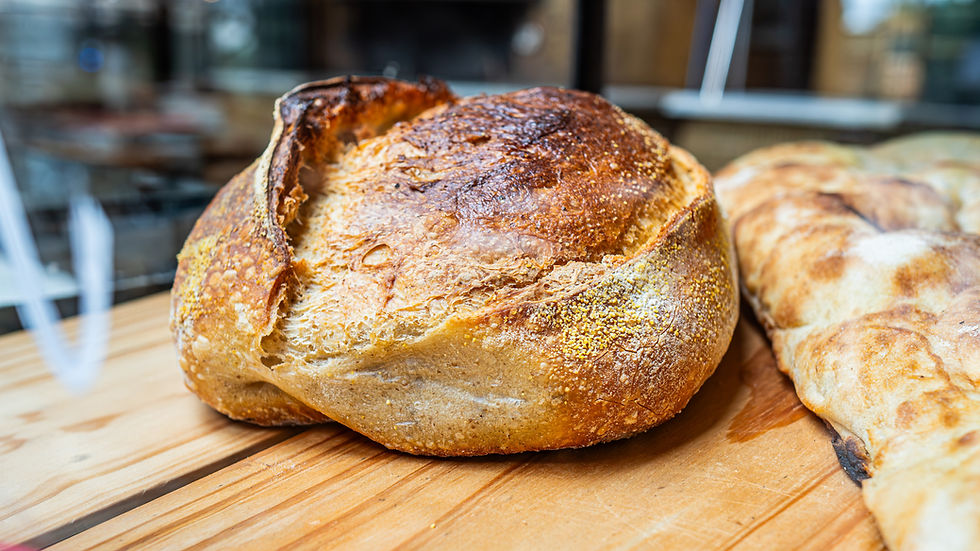
Sourdough emmer wheat bread is a traditional loaf made with one of the oldest cultivated grains in human history. Emmer wheat brings a rich, earthy flavor and a slightly nutty character that sets it apart from modern wheat varieties. The result is a loaf with a balanced crumb, deep grain flavor, and a rustic appearance that feels both simple and distinctive. Like other ancient grains, emmer behaves differently from modern bread flour. While it contains gluten, the gluten structure is weaker and less elastic, making the dough softer and more delicate during handling. This means that emmer sourdough benefits from gentle development rather than aggressive kneading. When handled correctly, it produces a loaf with good structure and exceptional flavor.
To bake great sourdough at home, everything starts with a healthy and active starter. A strong starter ensures steady fermentation and helps support the structure of ancient grains like emmer. If you are still building your foundation, it helps to understand the basics of sourdough baking through sourdough bread basics, where the full process is explained step by step. Once your starter is ready, this recipe comes together with simple ingredients and a slightly adapted method. In this guide, you’ll learn how to mix, ferment, shape, and bake sourdough emmer wheat bread with reliable results.

Sourdough Emmer Wheat and Dough Behavior
Emmer wheat sits within the family of ancient grains, alongside varieties such as spelt and kamut. While it develops structure more easily than rye, it is less resilient than modern bread flour. The dough tends to be softer and can lose tension more quickly if overworked.
Because of this, emmer benefits from moderate handling and controlled fermentation. The goal is not to maximize gluten strength, but to develop enough structure while preserving the grain's natural characteristics. Hydration is also important. Emmer absorbs water well, creating a dough that feels soft and workable, but excessive hydration can lead to a loaf that spreads more than expected.
Prep time: 25 minutes · Bulk fermentation: 7–10 hours · Bake time: 30–35 minutes · Total: 8–11 hours
Why This Sourdough Emmer Wheat Bread Works
This recipe focuses on balancing flavor and structure. Gentle dough development builds enough strength without damaging the softer gluten network found in emmer wheat.
Slow fermentation allows the grain's character to develop fully while supporting a stable crumb structure that remains easy to slice and serve. The final loaf is:
rich in flavor
soft but structured
consistent in texture
Ingredients for Sourdough Emmer Wheat Bread
These ingredients create a naturally leavened loaf with a soft crumb and distinct ancient grain flavor.
500 g emmer wheat flour (about 4 cups)
345 g lukewarm water (about 1 ⅓ cups)
75 g active sourdough starter (about ⅓ cup)
8 g salt (about 1 ¼ tsp)
If you are baking with emmer for the first time, replacing part of the flour with bread flour can make the dough more predictable and easier to handle. This creates a gradual introduction to working with ancient grains.
Equipment Needed
Using the right tools helps create a smoother workflow and improves consistency when working with softer ancient grain doughs.
large mixing bowl
dough scraper or spatula
proofing basket or lined bowl
Dutch oven or covered baking pan
parchment paper
sharp knife or lame
These tools help maintain structure while allowing the dough to develop naturally throughout the baking process.
How to Make Sourdough Emmer Wheat Bread
This step‑by‑step method guides you through mixing, fermentation, shaping, and baking.
Step 1: Mix the dough
In a large bowl, combine the lukewarm water (345 g or about 1 ⅓ cups) and active sourdough starter (75 g or about ⅓ cup). Stir until smooth. Add the emmer flour (500 g or about 4 cups) and salt (8 g or about 1 ¼ tsp), then mix until a soft dough forms.
Let the dough rest for 20–30 minutes to allow the flour to absorb the water fully.
Step 2: Develop the dough
Use gentle stretch‑and‑folds to build structure. Emmer develops strength more effectively with moderate handling than with heavy kneading. The dough should become smoother while remaining soft and extensible.
Step 3: Bulk fermentation
Cover the dough and let it ferment at room temperature. Perform a few folds throughout fermentation to maintain structure. The dough should gradually gain volume while remaining slightly softer than traditional wheat doughs. If the dough feels weak or lacks development, you can review dense sourdough fixes to better understand how structure develops during fermentation.
Step 4: Shape the dough
Turn the dough onto a prepared surface and gently shape it into a round or oval loaf.
Focus on creating enough surface tension to support the loaf without overhandling the dough.
Step 5: Final rest
Place the shaped dough into a floured basket or lined bowl and allow it to rest.
The dough should feel light and stable while maintaining its form.
Step 6: Bake
Preheat your oven to 230 °C (450 °F). Bake the bread in a covered environment for about 30 minutes to support expansion and crust development. Remove the cover and continue baking for another 5–10 minutes until the crust becomes golden brown.
Step 7: Cool before slicing
Remove the bread from the oven and allow it to cool for at least 45 to 60 minutes before slicing. This ensures the crumb stabilizes fully and prevents the interior from becoming compressed.
Texture and flavor
A well-made sourdough emmer loaf has a soft, moderately open crumb with an even structure. While it is not as airy as white sourdough, it remains lighter than rye and more balanced than many whole grain breads. The crust develops a warm golden-brown color, while the interior remains moist and tender. Emmer contributes a pronounced grain flavor with earthy and slightly nutty notes that become more noticeable during fermentation. The result is a loaf that feels rustic, flavorful, and satisfying without becoming heavy.
When sourdough emmer wheat bread goes wrong
If the dough spreads excessively, it may have been overproofed or handled too aggressively. Emmer wheat benefits from a balanced approach and can lose structure when pushed too far.
If the loaf feels dense, the dough may not have developed enough strength during fermentation. If the bread struggles to rise properly, reviewing why sourdough doesn’t rise can help identify the underlying cause. Most problems arise from handling and fermentation balance rather than ingredient selection.
Serving sourdough emmer wheat bread
Sourdough emmer wheat bread works well as an everyday loaf for slicing, toasting, and serving alongside both sweet and savory foods. Its rich grain flavor pairs naturally with butter, cheese, soups, and simple spreads. The balanced crumb also makes it suitable for sandwiches without becoming overly dense.

Nutritional Information
This nutritional estimate reflects the composition of one slice of sourdough emmer wheat bread, calculated as approximately one fifteenth of the loaf. It provides a clear overview of the key nutrients per serving.
Nutrient | Amount per Slice (1/15th of the loaf) |
Calories | 170 kcal |
Total Carbohydrates | 31 g |
Fiber | 2.9 g |
Sugars | 1.1 g |
Protein | 5.2 g |
Total Fat | 1.1 g |
Saturated Fat | 0.2 g |
Salt | 0.3 g |
Sodium | 130 mg |
Sourdough emmer wheat bread demonstrates how ancient grains can bring unique flavor and texture to sourdough baking. By adapting your handling and fermentation approach, you can create a loaf that is both rustic and dependable.
As you continue working with different grains, you will begin to recognize how each flour influences dough structure and behavior. Recipes such as sourdough kamut bread show a similar ancient grain approach, while highlighting different characteristics in flavor, softness, and dough development. That is where sourdough baking becomes increasingly adaptable and rewarding.


Comments