Sourdough Kamut Bread

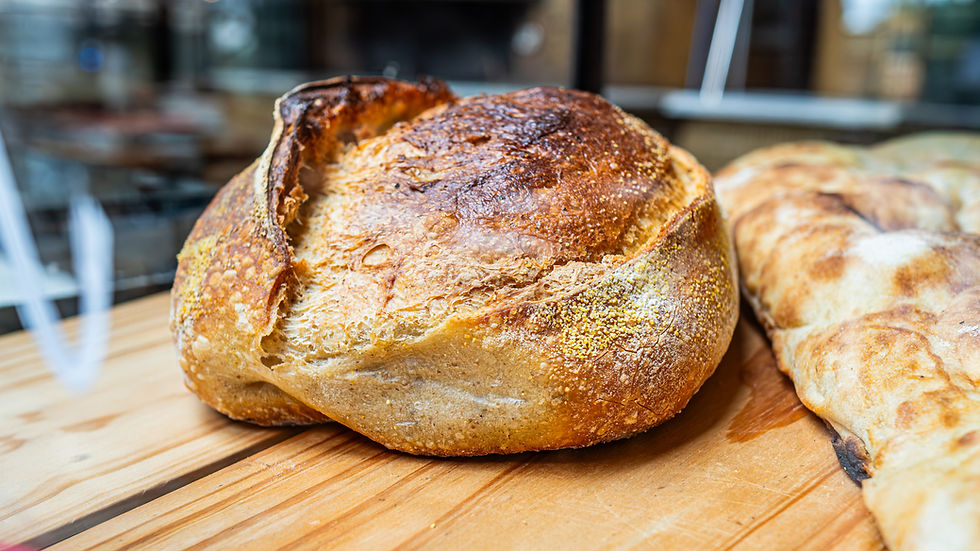
Sourdough kamut bread, also known as khorasan wheat bread, is a unique variation that stands out for its warm golden color, soft crumb, and naturally rich flavor. Compared to modern wheat, kamut brings a slightly buttery and sweet taste, making it a distinctive yet approachable sourdough loaf for everyday baking. Kamut behaves differently from both standard wheat and spelt. While it contains gluten, the structure is softer and more extensible, meaning the dough stretches easily but does not always hold tension as firmly. This results in a loaf that feels softer and more tender, but also requires controlled handling to prevent it from losing shape.
To bake great sourdough at home, everything starts with a healthy and active starter. A strong starter ensures steady fermentation and helps support the structure of softer doughs like kamut. If you are still building your foundation, it helps to understand the basics of sourdough baking through sourdough bread basics, where the full process is explained step by step. Once your starter is ready, kamut sourdough comes together with simple ingredients and a slightly adjusted method. In this guide, you’ll learn how to mix, ferment, shape, and bake sourdough kamut bread with consistent results.

Sourdough Kamut and Dough Behavior
Kamut dough sits between strong wheat and delicate spelt in terms of behavior. It develops gluten more easily than rye, but retains less structural strength than standard bread flour. This means the dough benefits from controlled development. Unlike whole wheat, it does not require aggressive kneading, but unlike rye, it still needs enough structure to hold its shape. Hydration plays an important role. Kamut flour absorbs water well, resulting in a dough that feels soft and smooth early on. However, this softness can lead to slack dough if not managed carefully.
Prep time: 25 minutes · Bulk fermentation: 7–10 hours · Bake time: 30–35 minutes · Total: 8–11 hours
Why This Sourdough Kamut Bread Works
This recipe balances structure and softness by combining gentle handling with steady fermentation. Instead of pushing the dough to maximum elasticity, it focuses on maintaining control over its softer character. The fermentation process enhances both flavor and structure, allowing the dough to develop enough strength without becoming tight or dense. The final loaf is:
soft but stable
rich in flavor
consistent in structure
Ingredients for Sourdough Kamut Bread
These ingredients create a naturally leavened loaf with a soft crumb and distinctive golden flavor.
500 g kamut flour (about 4 cups)
340 g lukewarm water (about 1 ⅓ cups)
75 g active sourdough starter (about ⅓ cup)
8 g salt (about 1 ¼ tsp)
If you are new to kamut, it can help to combine part of the flour with bread flour. This improves structure while you become familiar with its softer dough behavior.
Equipment Needed
Using the right tools helps create a smoother workflow and improves consistency when working with softer doughs like kamut.
large mixing bowl
dough scraper or spatula
proofing basket or lined bowl
Dutch oven or covered baking pan
parchment paper
sharp knife or lame
These tools support gentle shaping and help maintain structure during baking.
How to Make Sourdough Kamut Bread
This step‑by‑step method guides you through mixing, fermentation, shaping, and baking.
Step 1: Mix the dough
In a large bowl, combine the lukewarm water (340 g or about 1 ⅓ cups) and active sourdough starter (75 g or about ⅓ cup). Stir until smooth. Add the kamut flour (500 g or about 4 cups) and salt (8 g or about 1 ¼ tsp), then mix until a soft dough forms.
The dough will feel smooth and slightly elastic early on. Let it rest for 20–30 minutes to allow full hydration.
Step 2: Controlled development
Develop strength through gentle stretch‑and‑folds rather than heavy kneading.
Kamut dough responds well to moderate handling. Too much force can weaken its structure, while too little can leave it unsupported. The goal is to build enough strength while maintaining softness.
Step 3: Bulk fermentation
Cover the dough and let it ferment at room temperature. Perform a few controlled folds to maintain structure. The dough should gain volume gradually while staying smooth and slightly soft. If the dough feels too weak or overly slack, you can review dense sourdough fixes to better understand how to balance structure.
Step 4: Shape the dough
Turn the dough onto a prepared surface and shape it into a round or oval loaf. Shaping should focus on creating light tension without forcing the dough. This helps maintain form during baking.
Step 5: Final rest
Place the shaped dough into a floured basket or lined bowl and allow it to rest.
The dough should feel light and stable. Avoid overproofing, as softer doughs can lose their structure quickly.
Step 6: Bake
Preheat your oven to 230 °C (450 °F). Bake the bread in a covered environment for about 30 minutes to support expansion. Then remove the cover and bake for another 5–10 minutes until the crust becomes golden. Kamut bread typically develops a lighter, golden crust compared to darker grains.
Step 7: Cool before slicing
Remove the bread and let it cool for at least 45 to 60 minutes before slicing. This allows the crumb to stabilize and ensures a clean texture when cutting.
Texture and flavor
A well-made sourdough kamut loaf has a soft, slightly open crumb with a smooth and even structure. Compared to rye or whole wheat, it feels lighter, while still maintaining enough stability for slicing. The crust is thin and golden, providing gentle contrast to the soft interior. Kamut flour brings a mild, slightly buttery and nutty flavor that complements the sourdough without overshadowing it. The result is a loaf that feels rich but balanced, combining softness with a clear grain profile.
When sourdough kamut goes wrong
If the dough spreads too much, it may have been overproofed or not developed enough during folding. Kamut dough is softer and can lose structure more easily than stronger flours. If the loaf feels dense, it may need better structural development early in the process. If the bread struggles to rise, reviewing why sourdough doesn’t rise can help identify underlying issues. Most problems come from handling balance rather than ingredient ratios.

Serving sourdough kamut bread
Sourdough kamut bread works well as a soft and versatile loaf. Its balanced structure makes it suitable for slicing, toasting, and pairing with both simple and richer toppings.
The mild flavor allows it to complement both sweet and savory combinations, making it a flexible addition to everyday baking.
Nutritional Information
This nutritional estimate reflects the composition of one slice of sourdough kamut bread, calculated as approximately one fifteenth of the loaf. It provides a clear overview of the key nutrients per serving.
Nutrient | Amount per Slice (1/15th of the loaf) |
Calories | 170 kcal |
Total Carbohydrates | 31 g |
Fiber | 2.6 g |
Sugars | 1.1 g |
Protein | 5.3 g |
Total Fat | 1.2 g |
Saturated Fat | 0.2 g |
Salt | 0.3 g |
Sodium | 130 mg |
Sourdough kamut bread shows how different grains sit at different points between strength and softness. By adjusting handling and fermentation, you can create a loaf that maintains balance without becoming overly dense or fragile.
As you continue baking, you will begin to recognize how grains behave differently within the same sourdough foundation. Recipes such as sourdough spelt bread highlight a similar balance between softness and structure, while kamut introduces a slightly richer and more extensible dough behavior. That is where baking becomes more controlled and adaptable across a wide range of bread styles.


Comments