Sourdough Spelt Bread

Updated: Oct 9
Sourdough spelt bread is a lighter and more delicate variation that brings a softer texture and subtle, slightly sweet flavor to sourdough baking. Compared to whole wheat or standard white flour, spelt behaves differently in the dough, creating a loaf that is more tender but also more sensitive to handling. The result is a bread that feels refined, with a soft crumb and balanced structure. Because spelt has a weaker gluten network than modern wheat, the dough develops strength more quickly but also breaks down more easily. In my experience, many bakers struggle with spelt because they treat it like standard bread flour. Dough that handles beautifully during the first hour of fermentation can quickly become slack if it is overworked or fermented too aggressively. Learning when to stop handling the dough is often more important than learning how to strengthen it.
To bake great sourdough at home, everything starts with a healthy and active starter. A strong starter ensures steady fermentation and helps the dough develop enough strength without overworking it. If you are still building your foundation, it helps to understand the basics of sourdough baking through sourdough bread basics, where the full process is explained step by step. Once your starter is ready, this recipe comes together with simple ingredients and a slightly more careful method. In this guide, you’ll learn how to mix, ferment, shape, and bake spelt sourdough bread with consistent results.
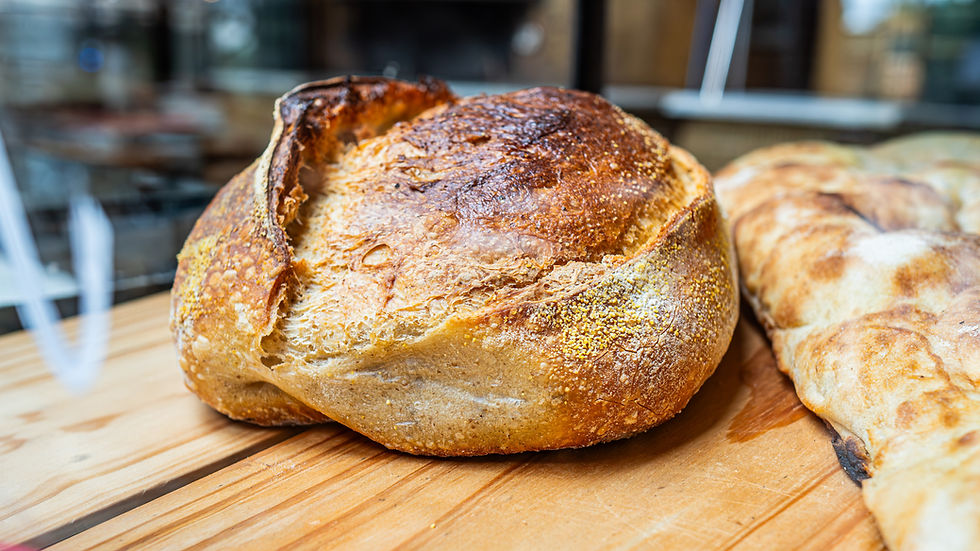
Sourdough Spelt and Dough Sensitivity
Spelt dough feels very different from both whole wheat and standard white sourdough. Instead of requiring more kneading like whole wheat, it benefits from less handling and gentler folding. Because the gluten structure forms quickly but is less stable, too much kneading can actually weaken the dough. The goal is to build just enough strength while preserving elasticity.
At the same time, spelt flour absorbs water differently, often creating a slightly softer dough earlier in the process. Understanding this balance is essential to prevent the dough from becoming too slack or overly fragile.
Prep time: 25 minutes · Bulk fermentation: 7–10 hours · Bake time: 30–35 minutes · Total: 8–11 hours
Why This Sourdough Spelt Bread Works
This recipe adapts classic sourdough techniques to the unique characteristics of spelt flour. Instead of maximizing dough strength, it focuses on maintaining balance and preventing overdevelopment. Gentle handling and controlled fermentation allow the dough to build structure without breaking down. The result is a loaf that slices cleanly while maintaining a softer consistency.
The final bread is:
maintains structure without excessive kneading
reduces the risk of overworked spelt dough
balances softness with reliable dough strength
Ingredients for Sourdough Spelt Bread
These ingredients create a naturally leavened loaf with a soft crumb and full grain spelt flavor.
500 g spelt flour (about 4 cups)
340 g lukewarm water (about 1 ⅓ cups)
75 g active sourdough starter (about ⅓ cup)
8 g salt (about 1 ¼ tsp)
If this is your first time using spelt for sourdough, it can help to replace part of the flour with T65 or bread flour to make the dough easier to handle. This creates a more familiar structure, allowing you to gradually adapt to the softer and more delicate behavior of spelt dough.
Equipment Needed
Using the right tools helps create a smoother workflow and ensures more consistent results throughout the process. Although spelt dough is lighter than whole wheat, it benefits from careful handling.
large mixing bowl
dough scraper or spatula
proofing basket or bowl with cloth
Dutch oven or covered baking pan
parchment paper
sharp knife or lame
These tools support gentle shaping and controlled baking for more reliable results.
How to Make Sourdough Spelt Bread
This step‑by‑step method guides you through mixing, fermentation, shaping, and baking.
Step 1: Mix the dough
In a large bowl, combine the lukewarm water (340 g or about 1 ⅓ cups) and active sourdough starter (75 g or about ⅓ cup). Stir until smooth. Add the spelt flour (500 g or about 4 cups) and salt (8 g or about 1 ¼ tsp), then mix until a soft dough forms. The dough may already feel more elastic than whole wheat dough at this stage. Let it rest for 20–30 minutes to allow hydration.
Step 2: Gentle dough development
Instead of heavy kneading, develop strength through a few careful stretch‑and‑folds.
Spelt dough should not be overworked. Gentle handling helps maintain its structure, while excessive kneading can make it collapse later. The dough should become smoother but remain soft and flexible.
Step 3: Bulk fermentation
Cover the dough and let it ferment at room temperature. Perform a limited number of gentle folds to maintain structure. The dough will gain volume, but it may feel softer and more relaxed than other sourdoughs. If the dough feels too weak or loses shape early, you can review dense sourdough fixes to better understand how to improve structural balance. Spelt dough often reaches its ideal level of fermentation sooner than dough made with strong bread flour. In many cases, a volume increase of roughly 30% to 50% is sufficient before shaping. Waiting for the dough to double can sometimes lead to loss of structure.
Step 4: Shape the dough
Once the dough shows activity, gently turn it out and shape it into a round or oval loaf.
Because spelt is more fragile, shaping should be light and controlled. Focus on organizing the structure rather than tightening aggressively. One of the most common mistakes with spelt is applying the same shaping pressure used for high-strength wheat doughs. Gentle shaping usually produces better results because the gluten network is more delicate.
Step 5: Final rest
Place the shaped dough into a floured basket or lined bowl and let it rest. The dough should feel light and slightly airy, but still hold its form. Avoid overproofing, as spelt can lose structure quickly. Spelt dough often provides a smaller margin for error during proofing than standard bread flour. Dough that appears perfectly proofed can become overproofed surprisingly quickly in a warm environment.
Step 6: Bake
Preheat your oven to 230 °C (450 °F). Bake in a covered environment for about 30 minutes to allow expansion. Then remove the cover and bake for another 5–10 minutes until the crust becomes lightly golden. Spelt bread typically develops a thinner crust than stronger flours.
Step 7: Cool before slicing
Remove the bread from the oven and let it cool for at least 45 to 60 minutes before slicing. Spelt bread benefits from full cooling to stabilize its softer crumb. Cutting too early can damage its delicate structure.

Texture and flavor
A well-made sourdough spelt loaf has a soft, slightly tender crumb with a more uniform structure than open-crumb breads. The interior feels lighter than whole wheat, while still providing enough stability for slicing. The crust is thinner and softer, creating less contrast than darker breads but improving overall softness. Spelt flour brings a mild, slightly sweet, and nutty flavor that complements the natural sourdough tang without overpowering it. The result is a bread that feels lighter and more delicate, while still remaining practical for everyday use.
When sourdough spelt goes wrong
If the bread collapses or spreads too much, the dough may have been overworked or overproofed. Spelt dough is more sensitive than other types and requires careful handling. If the loaf feels dense, the dough may not have developed enough structure early in the process. If the bread struggles to rise, reviewing why sourdough doesn’t rise can help identify the cause. Most issues come from handling rather than ingredient ratios.
Nutritional Information
This nutritional estimate reflects the composition of one slice of sourdough spelt bread, calculated as approximately one fifteenth of the loaf. It provides a clear overview of the key nutrients per serving.
Nutrient | Amount per Slice (1/15th of the loaf) |
Calories | 165 kcal |
Total Carbohydrates | 30 g |
Fiber | 2.8 g |
Sugars | 1.0 g |
Protein | 5.0 g |
Total Fat | 1.1 g |
Saturated Fat | 0.2 g |
Salt | 0.3 g |
Sodium | 130 mg |
Sourdough spelt bread highlights how flour choice directly influences both process and result. By adjusting handling and fermentation, you can create a loaf that is softer and more delicate while still maintaining structure.
Techniques used here can also be applied to other variations. Recipes such as the rosemary thyme sourdough bread show how similar methods can lead to different flavor profiles while using the same sourdough foundation.
As you continue baking, you will begin to understand how different grains influence dough behavior. That is where sourdough becomes more controlled and adaptable across a wide range of breads.
Frequently Asked Questions
These are some of the most common questions bakers have when working with sourdough spelt bread.
Why is spelt dough so sticky?
Spelt dough often feels softer and stickier than dough made with strong bread flour because the gluten structure is more delicate. This does not automatically mean the hydration is too high. Many bakers add extra flour too early, which can make the final loaf denser than intended. Focusing on gentle handling is usually more effective than immediately changing hydration levels.
Why did my spelt sourdough collapse?
Collapsed sourdough spelt bread is often caused by overproofing, over-fermentation, or excessive handling. Because spelt gluten is less stable than modern wheat gluten, the dough can lose strength more quickly once it reaches peak fermentation. A loaf that appears well-risen may already be approaching overproofing, especially in warm kitchens.
Can I mix spelt flour with bread flour?
Yes. Many bakers combine spelt flour with strong bread flour to make fermentation and shaping easier while still enjoying the flavor and texture of spelt. Using a blend can provide additional dough strength and create a more forgiving loaf, especially if you are new to baking with spelt.
Does spelt absorb water differently?
Yes. Spelt often creates a softer dough than strong bread flour at the same hydration level. This can make the dough feel wetter even when the water percentage is not especially high. Watching how the dough behaves is usually more useful than relying on hydration numbers alone.
Can I make 100% spelt sourdough bread?
Yes. A loaf made entirely with spelt flour can produce excellent results, but it generally requires gentler handling and closer attention to fermentation. Many bakers find that 100% spelt dough has a smaller margin for error than doughs made with stronger wheat flours.
Why does my spelt dough lose shape during proofing?
Spelt dough often loses shape when it has been overproofed or handled too aggressively. Because the gluten structure is more fragile, the dough may spread outward instead of maintaining height. Careful shaping and avoiding excessive proofing usually improve structure significantly.
Does spelt ferment faster than regular sourdough bread?
In many cases, spelt dough appears to develop more quickly than dough made with strong bread flour. It often softens and relaxes sooner during fermentation, which can make it seem fully developed earlier in the process. Watching dough strength and volume is usually more reliable than following a fixed timetable.
Why is my spelt sourdough dense?
Dense spelt bread is often caused by under-fermentation, weak starter activity, or insufficient structure development during the early stages of fermentation. Although spelt requires gentle handling, it still needs enough gluten development to trap gas and support the final loaf.
Is spelt bread easier to digest?
Many people find spelt bread easier to digest than bread made from modern wheat, although individual experiences can vary. Long sourdough fermentation may further improve digestibility by helping break down some of the compounds naturally present in the flour.
What is the biggest mistake when baking sourdough spelt bread?
One of the most common mistakes is treating spelt dough exactly like strong bread flour dough. Excessive kneading, aggressive shaping, and prolonged fermentation can all weaken the dough. With spelt, gentle handling is often the key to achieving a loaf with good structure and a soft crumb.


Comments