Growing chives at home

Updated: May 13
Among all edible plants suitable for home gardeners, few are as resilient and rewarding as chives (Allium schoenoprasum). As the smallest member of the onion family, chives offer a gentle, fresh flavor that sits comfortably between garlic and scallions. They add a mild savory note without overpowering a dish, making them incredibly versatile in everyday cooking. What sets chives apart even more is their durability. As a perennial herb, they return year after year and adapt easily to containers, raised beds, and even sunny windowsills.
Chives are especially appealing because they ask very little in return. They tolerate a wide range of conditions, grow quickly, and recover fast after harvesting. Even gardeners with no prior experience find success with chives, which makes them an ideal introduction to growing edible plants at home. If you’re interested in the broader principles behind successful home growing, our guide on growing herbs at home explains how light, water, and harvesting habits work together across different herbs and environments.
This article focuses specifically on growing chives, from planting and care to harvesting and kitchen use. If you enjoy exploring individual herbs in more detail, you may also like our guides on thyme from pot to plate and growing and using mint plants at home, which show how different herbs behave and how to use them effectively. Together, these guides help build a flexible, practical herb garden that fits naturally into daily cooking.
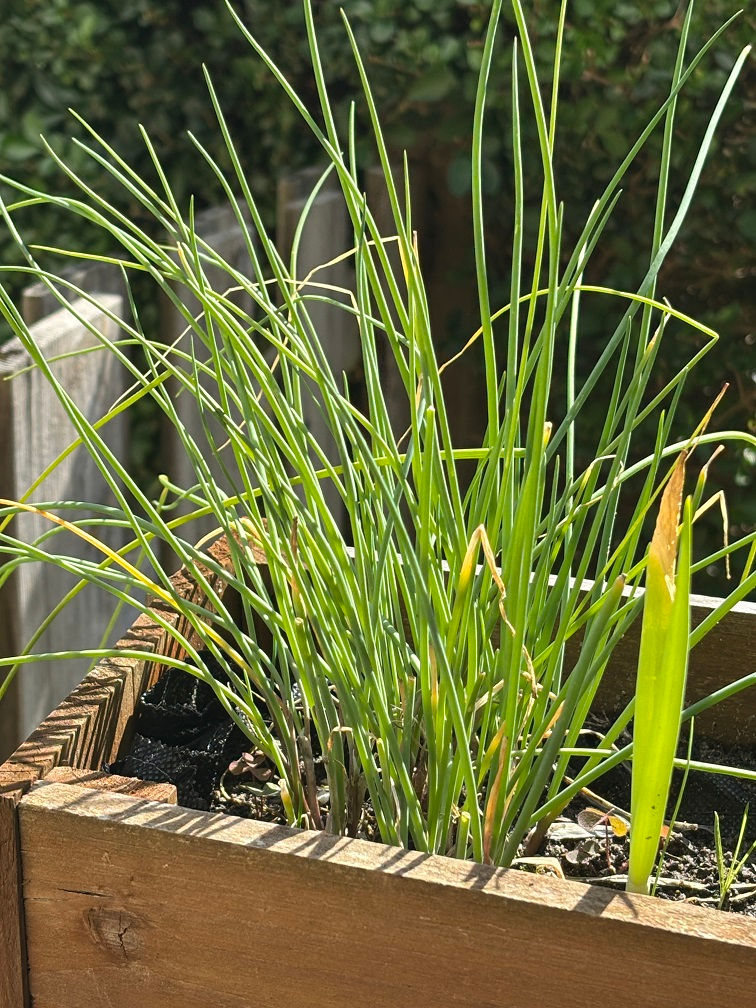
Growing Chives at Home
Chives are one of the easiest herbs to grow at home, thriving in pots, raised beds, and even sunny windowsills. With minimal care and regular harvesting, they provide a steady supply of fresh, mild onion flavor throughout the growing season and beyond.
Preparing to Grow Chives at Home
Before planting chives, there are a few simple decisions to make about how you want to start. Chives are forgiving and adaptable, which means you can grow them successfully in more than one way, depending on your budget, patience, and access to plants.
You have three options for getting started: growing chives from seed, buying an established plant, or transplanting part of an existing one.
The Slow Route (Seeds):
Starting chives from seed requires patience. You plant the seeds, keep the soil slightly moist, and wait. Within a couple of weeks, thin green shoots appear. This method takes the longest but gives you full control from the very beginning.
The Fast Route (Buying a Plant):
Buying a young chive plant from a nursery or garden center is the easiest option. The plant is already established, grows quickly, and can usually be harvested within days. This method offers instant success with minimal effort.
The Budget Route (Transplanting):
If you know someone with a healthy chive plant, you can divide it. Chives tolerate splitting very well. Simply separate part of the clump, repot it, and water well. Both plants will recover quickly and continue growing.
Caring for Chives with Minimal Effort
Chives are low‑maintenance plants that thrive when left mostly alone. The key to healthy growth is providing basic light and water, while resisting the urge to overcare.
Chives appreciate light. A sunny windowsill or bright outdoor spot is ideal. If the plants start leaning noticeably toward the light, simply rotate the pot every few days to keep growth even.
Watering requires little attention. Insert a finger into the soil from time to time. If the soil feels dry to the first knuckle, it is time to water. If it still feels damp, wait. Overwatering is the most common way to stress chive plants.
Regular cutting is not only allowed, it is encouraged. Chives respond best to frequent harvesting. Snip the leaves about 1–2 inches (2–5 cm) above the soil surface. New growth will quickly replace what you remove, resulting in a fuller, healthier plant.
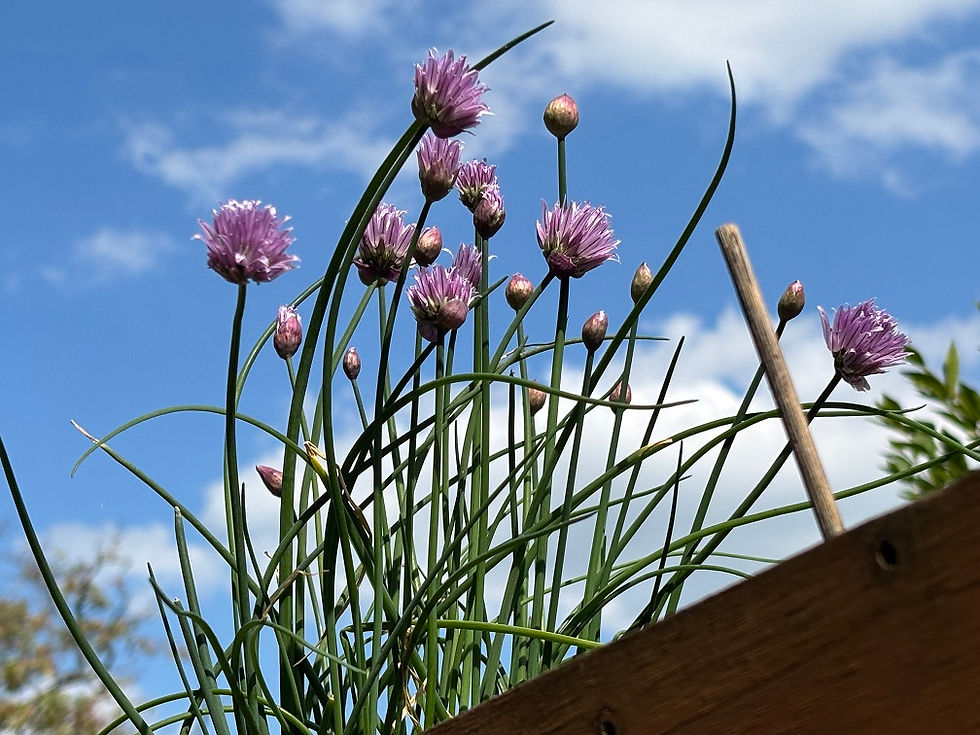
As the plant matures, chives often produce small purple flowers, especially in late spring or early summer. These blossoms are edible and carry a mild onion flavor. Sprinkled over salads or finished dishes, they add both freshness and visual appeal.
Cooking with Fresh Chives
Once you have successfully grown chives, the real reward begins in the kitchen. Chives bring a mild, fresh onion flavor that enhances savory dishes without overpowering them or causing watery eyes. Their versatility makes them one of the easiest herbs to use daily, from simple breakfasts to more refined meals.
Below are a few reliable ways to make the most of your fresh harvest.
Simple and Delicious Ways to Use Chives
Fresh chives are easy to incorporate into everyday cooking and work best as a finishing herb, adding mild onion flavor without overpowering a dish.
Scrambled eggs
Chopped chives can be whisked directly into eggs before cooking or sprinkled on top just before serving. They add freshness and a subtle savory note that lifts even the simplest breakfast.
Baked potatoes
Few combinations are as classic as baked potatoes with sour cream and chives. The mild onion flavor cuts through the richness and adds balance without heaviness.
Compound butter
Mix finely chopped chives into softened butter with a pinch of salt. Roll it into a log and chill. Sliced over warm bread, grilled vegetables, or steak, it melts into a deeply flavorful finish. You can experiment with additions like lemon zest, parsley, thyme, or garlic, but restraint keeps the flavors clean.
Potato salad
Potato salads can easily become heavy. A generous handful of fresh chives brightens the dish and adds a clean, garden‑fresh note that balances creamy dressings.
Soups and finishing touches
Sprinkling chives over soups, stews, or purées adds color and a final layer of flavor. They work especially well with creamy or blended dishes that benefit from contrast.
Chives are one of those herbs that quietly become essential once you start using them regularly. They grow easily, recover quickly, and work in more dishes than most people expect. A single pot can support countless meals over the season with very little effort.
Used fresh and frequently, chives naturally earn a permanent place in the kitchen without demanding attention or complexity.


Comments